

Vertical Vegetables: Simple Projects that Deliver More Yield in Less Space
Original price was: $26.99.$14.32Current price is: $14.32.
Related Products






Price: $26.99 - $14.32
(as of Mar 30, 2025 15:55:18 UTC – Details)
Vertical Vegetables is the secret to making the most of your space; when you grow upward rather than outward, you will double or triple the yield from your small-space garden.
In Vertical Vegetables, author Amy Andrychowicz shows you a thing or two about growing up. Gardening vertically, that is. With practical principles and the incisive background information you’ll need to start, Amy shows you how to build nearly two dozen growing structures, including trellises, arbors, archways, wall pockets, towers, and more.
Bigger yields per square foot may be the main reason for vertical growing, but vertical gardens also offer opportunities that go beyond the purely functional—they can be beautiful, too. Among the many projects in her new book, Amy has included several that are eye-wideningly stunning, especially once the garden has matured. Freestanding or wall-hung, the projects reflect a wide variety of building materials, too, including dimensional lumber, metal rebar, fabric, and even “upcycled” everyday objects.
Vertical Vegetables is packed with important information, including lists of plants that are best suited for vertical growing. This beautiful project book is your key to more garden produce and improved outdoor living in any space, from tiny and urban, to large and sprawling.
From the Publisher
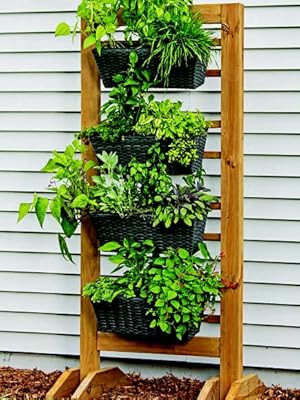
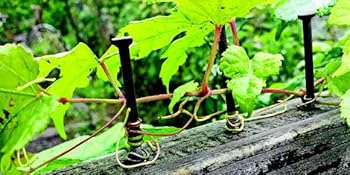 Benefits Of Vertical Gardening
When you grow food vertically, your vegetable garden will be healthier, your crops will be better, and you will have more time to enjoy the summer.
Larger Harvests More food in less space Fungus and disease prevention Protection from pests
Introduction: Why Grow Vertically?
A vegetable garden doesn’t have to be purely functional—it can be beautiful too! Vertical gardening is all the rage right now, and it’s one of the best ways to add unique character and charm to your vegetable garden. Though it’s certainly not a new invention, vertical gardening has been given more attention lately because of all the fun and exciting spins on this old concept.
Whether you choose to trellis vining crops or plant vegetables in a vertical container garden, growing food vertically will result in larger harvests. When vining crops are grown on vertical supports rather than allowed to sprawl on the ground, they take up less space. Trellising vining crops slows down the spread of soil-borne fungus and disease, keeping the plants much healthier. Getting those yummy vegetables up off the ground will keep them out of the reach of hungry ground-dwelling pests.
How to Build a Small Arch Trellis

Step 1:
Carefully bend each of the 3⁄8″ rebar pieces into arches. The rebar will bend pretty easily, but take your time bending it because if you force it, the rebar could kink. You are aiming for an arch with 4′ of space.
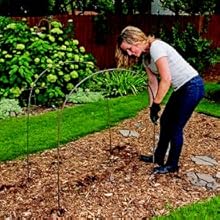
Step 2:
Install the arch pieces in the garden by driving the ends of the rebar into the ground. Space the ends of each arch 4′ apart and the arches themselves 28″ apart.
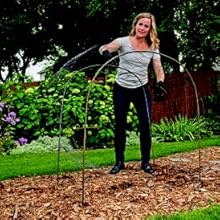
Step 3:
Lay the garden fencing over the top of the arch to measure how long the piece should be cut. Use wire cutters to cut the fencing to size.

Step 4:
Secure the fencing to the rebar arches using the zip ties, spacing the zip ties every 6 to 10″ along the entire length of the rebar. Cut the extra tabs off the zip ties using scissors, if desired.
More Projects from Vertical Vegetables

Trellises And Other Structures
Plant supports don’t have to be purely functional; they can be beautiful too. When you start considering all of the different options you have for supporting your vining vegetable crops, it will really open your eyes to a whole new way of thinking. One of the things I love the most about growing my vining vegetable crops vertically is that I can get so creative with it. Vertical plant supports add structure and beauty to the vegetable garden and give it a ton of character. Most gardeners add plant supports to their vegetable gardens as an afterthought, out of pure necessity.
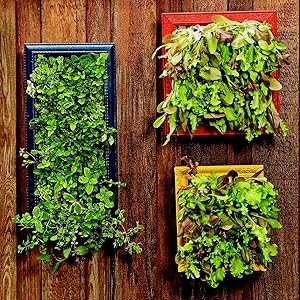
Living Walls And Hanging Gardens
Vining Crops are fantastic, but they limit our options for growing vertically to only a handful of vegetables. When you start adding vertical walls, living art, and hanging gardens into the mix, your options for what you can grow vertically are almost unlimited. Small non-vining crops, such as greens, herbs, strawberries, and edible flowers, can flourish in just about any size container and are terrific for growing in these types of vertical gardens. Hanging gardens, especially living art and vertical walls, have become very popular ways to grow succulents and other ornamental plants— but they are also a wonderful way to grow food!
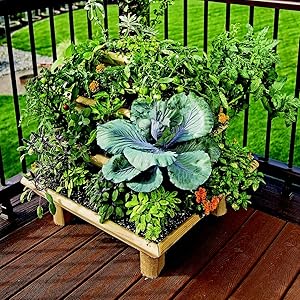
Planters And Towers
Take traditional container gardening to whole new heights by combining it with vertical gardening. When you mix these two methods together, you can come up with some fun and unusual ways to grow your own food. Plus, when you build your container garden up rather than out, you can grow exponentially more food in less space. One of the biggest benefits of container gardening is that you can grow food in places you normally wouldn’t be able to grow anything—for example, on your deck, balcony, or patio. Growing vegetables in containers and planters is also the perfect solution if you’re dealing with poor-quality garden soil or a yard with limited space.
Publisher : Cool Springs Press (November 13, 2018)
Language : English
Paperback : 192 pages
ISBN-10 : 0760357846
ISBN-13 : 978-0760357842
Item Weight : 1.46 pounds
Dimensions : 7.95 x 0.85 x 9.95 inches
User Reviews
Be the first to review “Vertical Vegetables: Simple Projects that Deliver More Yield in Less Space”
Original price was: $26.99.$14.32Current price is: $14.32.
There are no reviews yet.